Vogue CS in English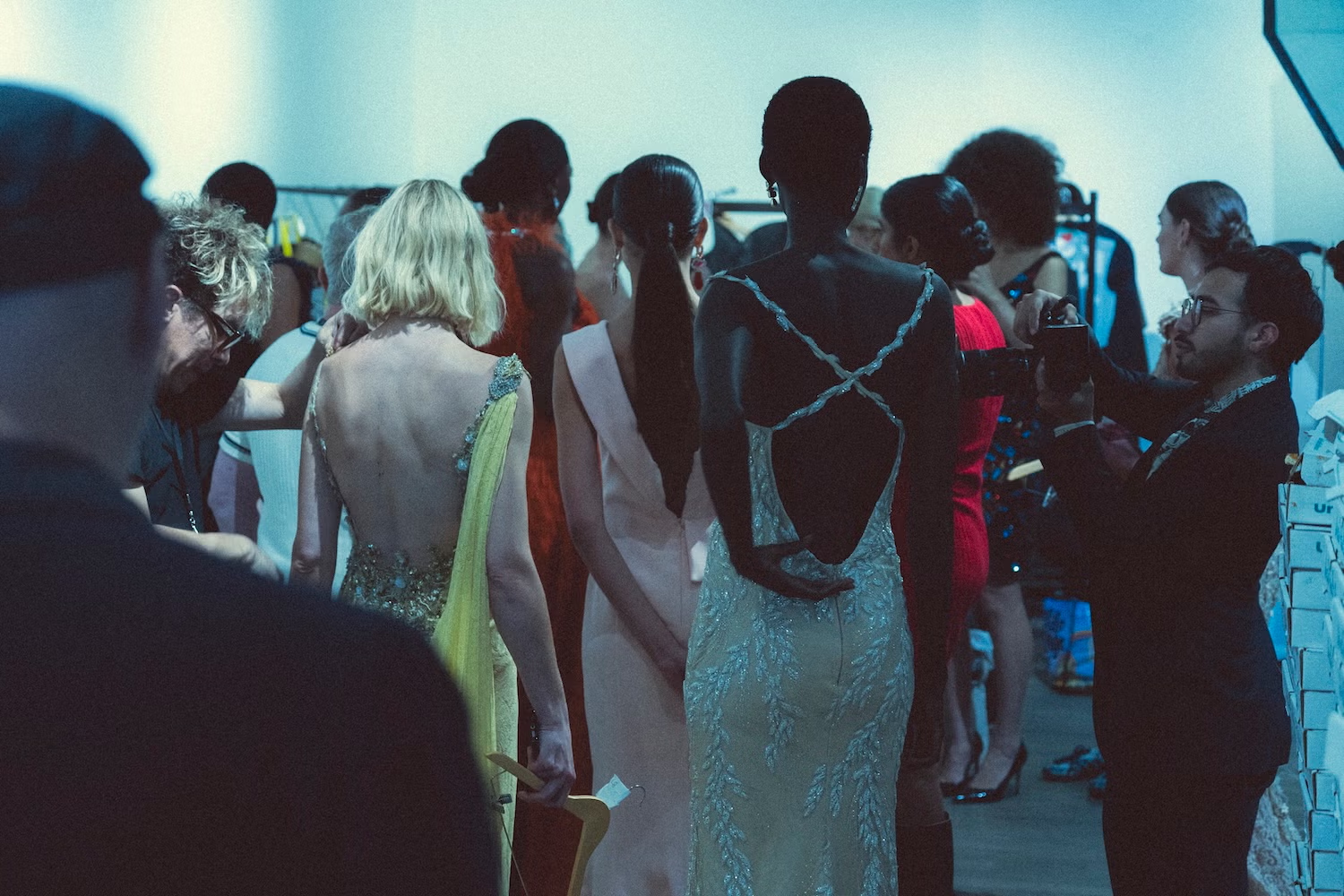
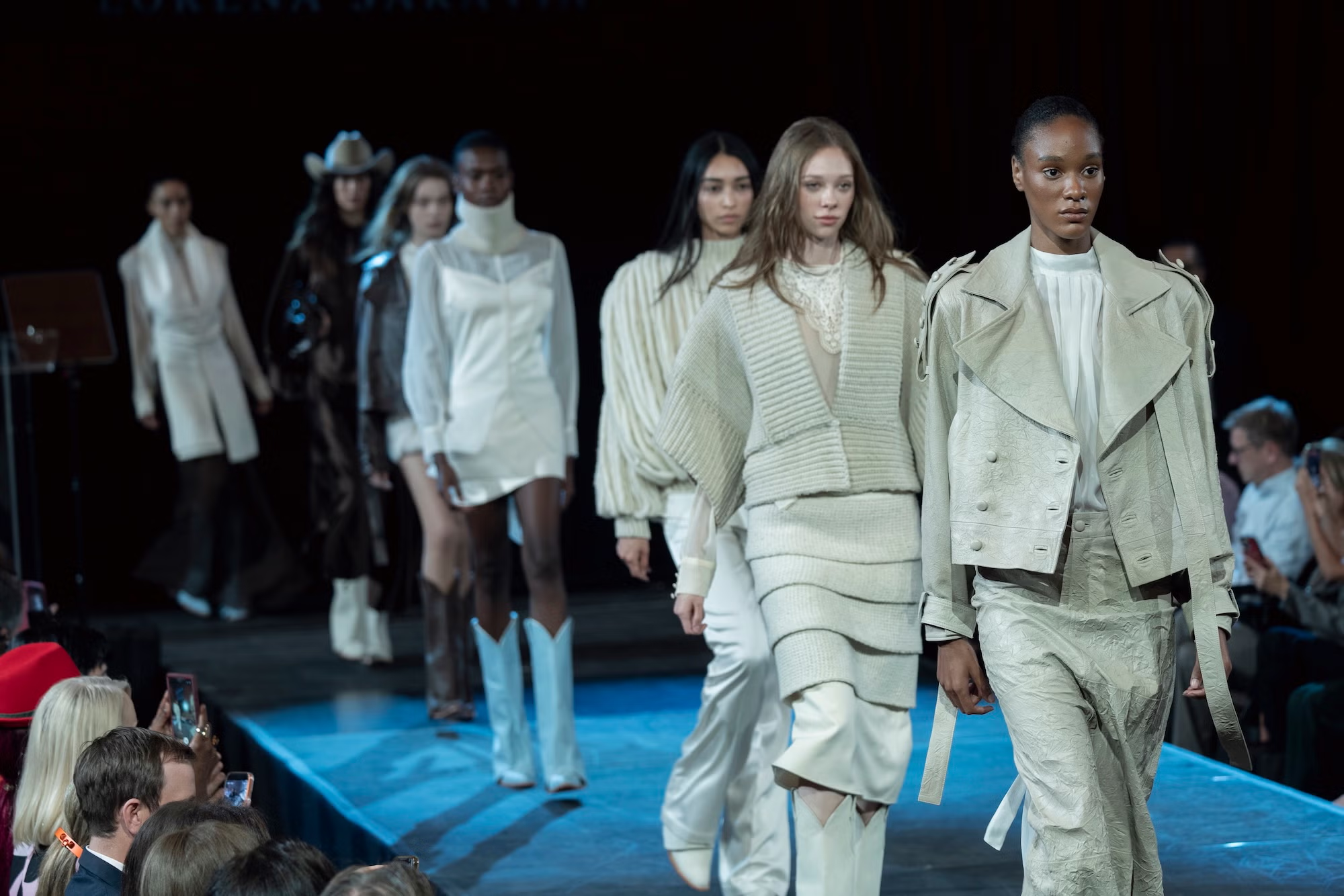 Foto: Jakub Gulyás
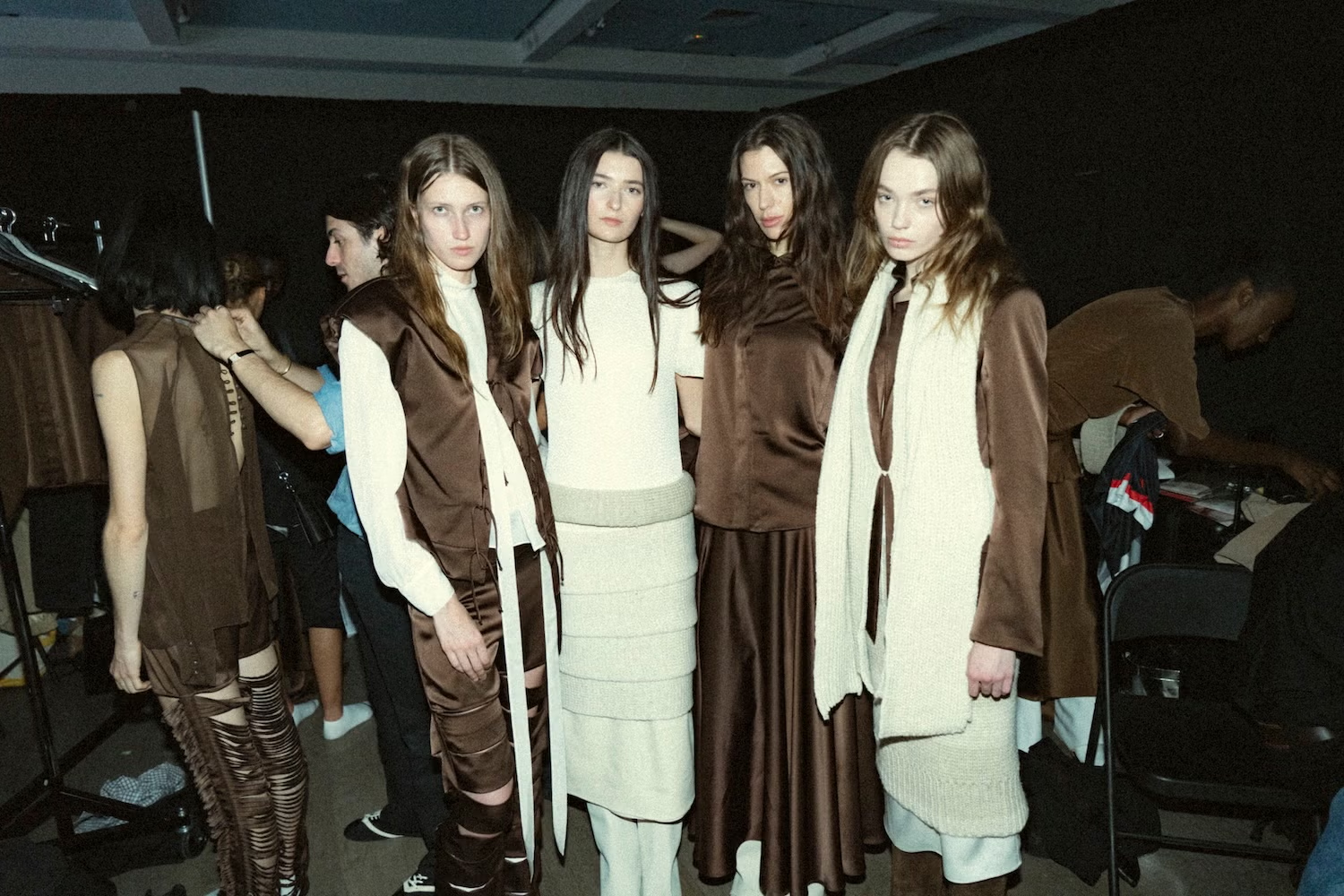 Foto: Jakub Gulyás
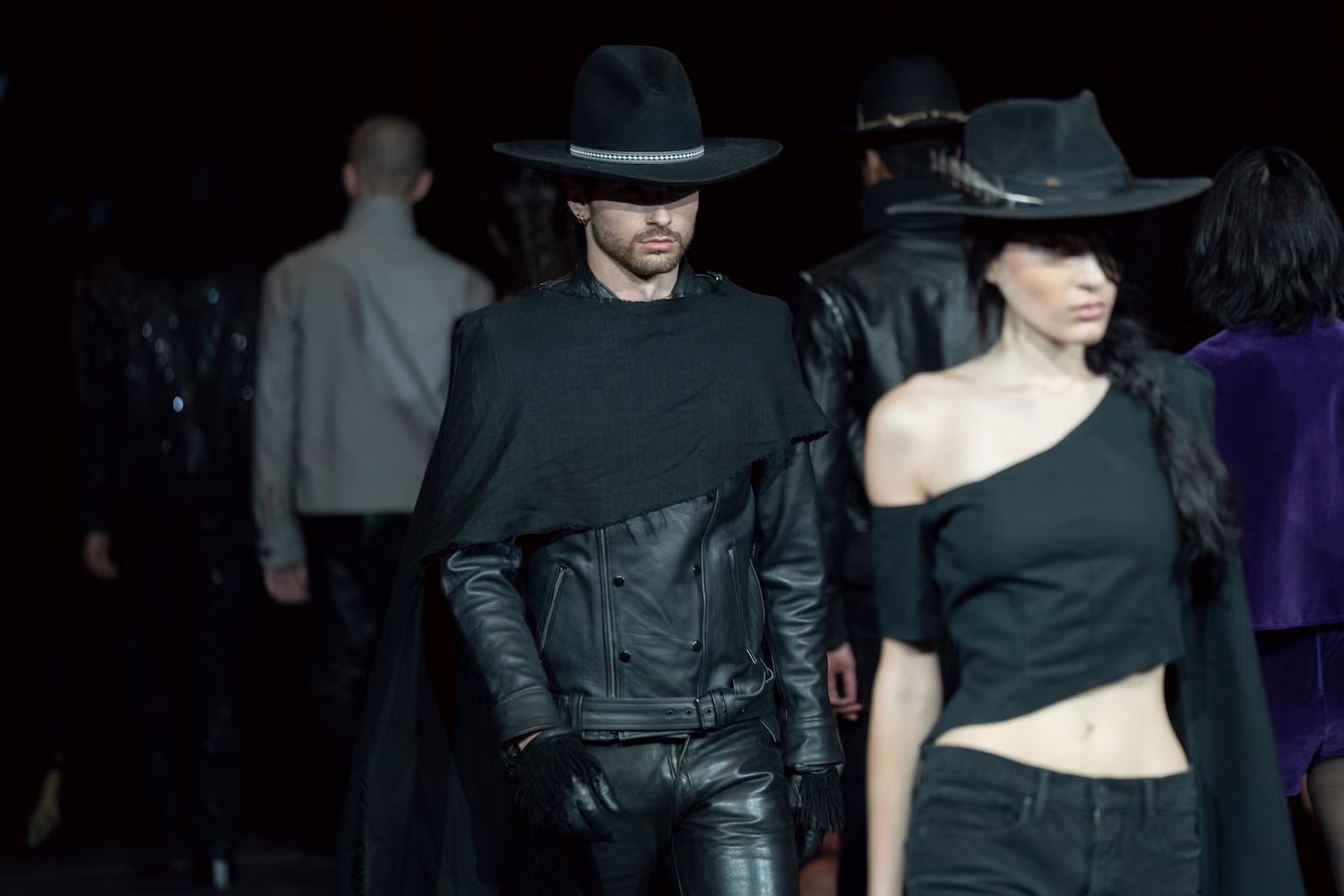 Foto: Jakub Gulyás
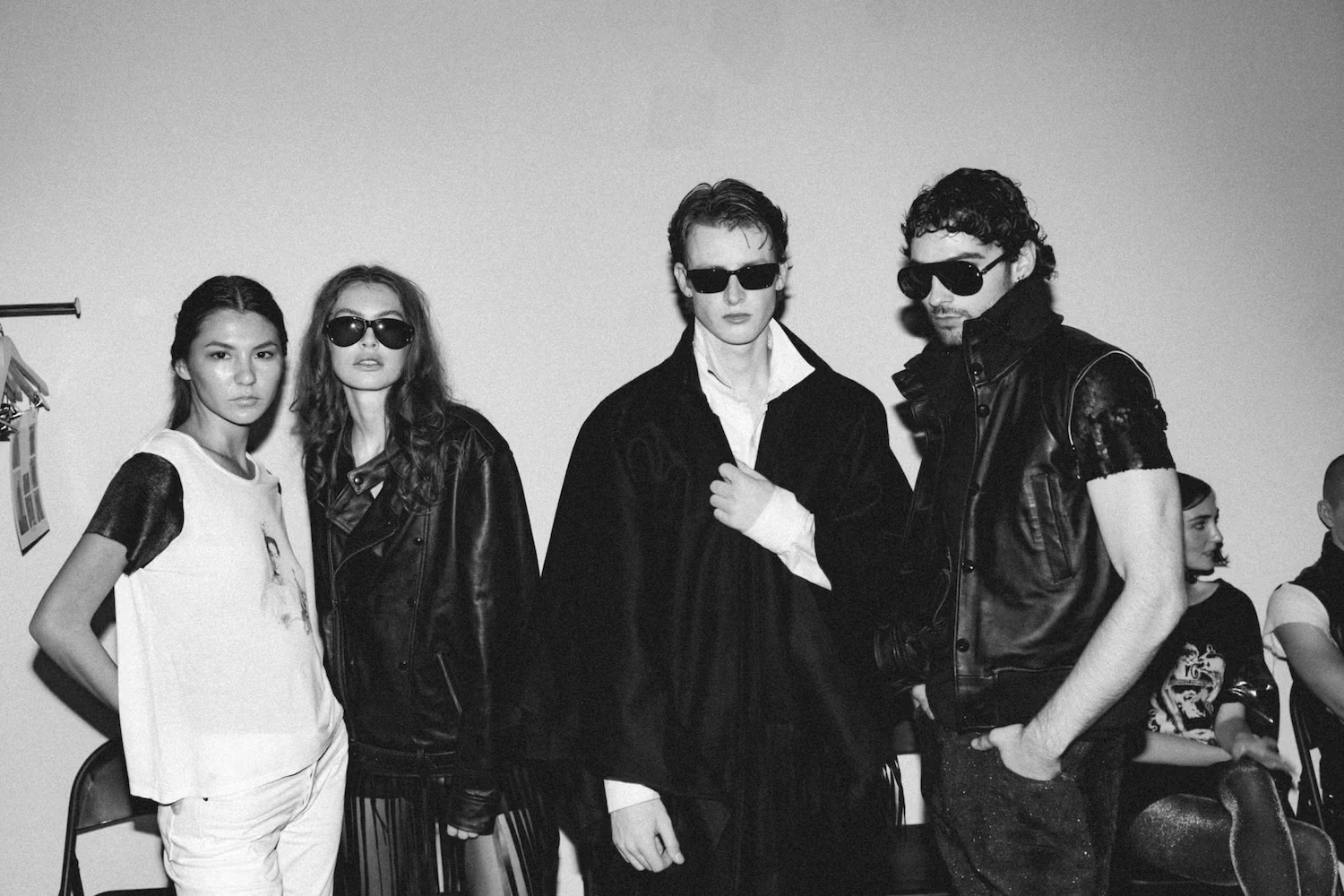 Foto: Jakub Gulyás
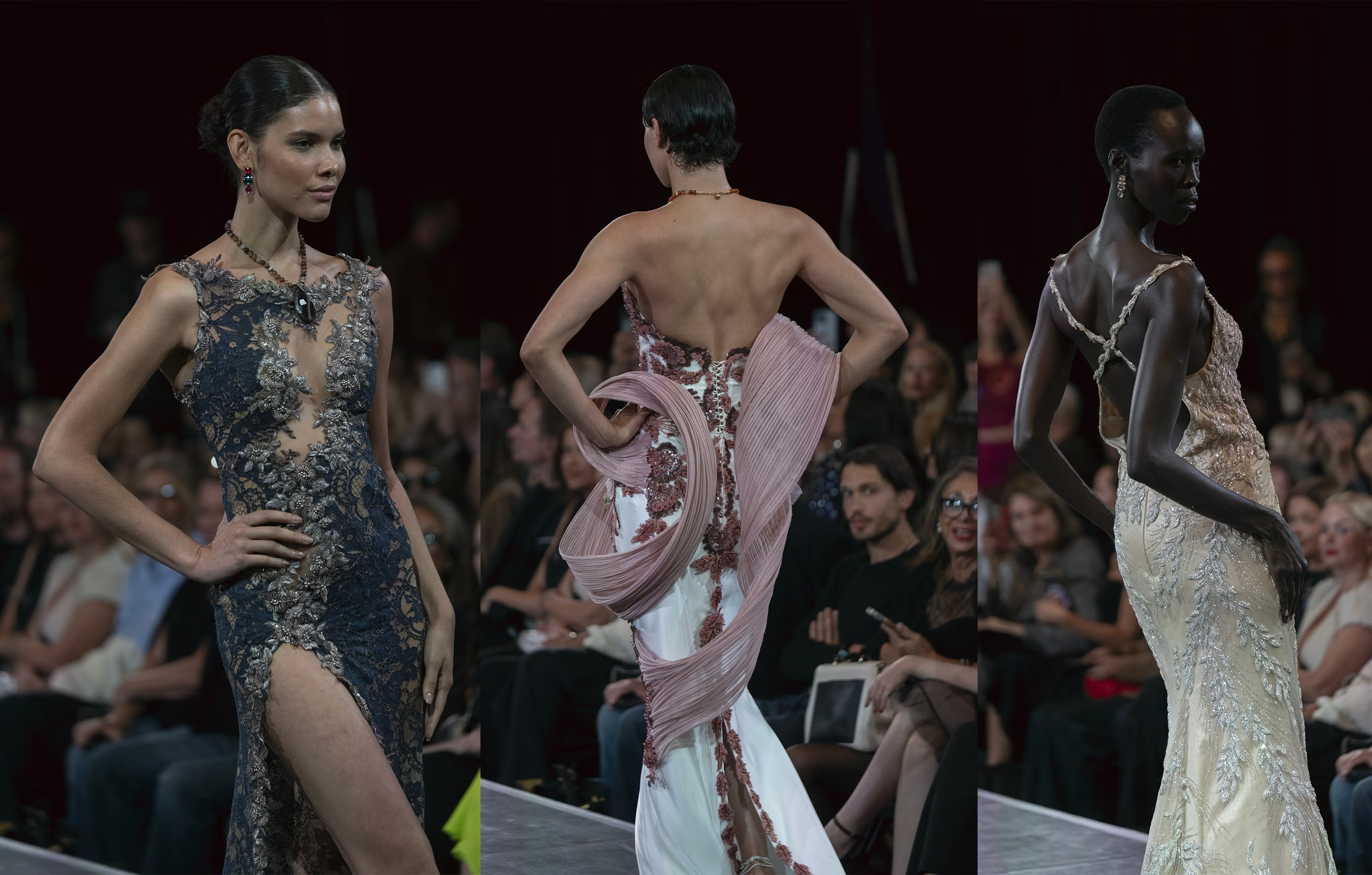 Foto: Jakub Gulyás
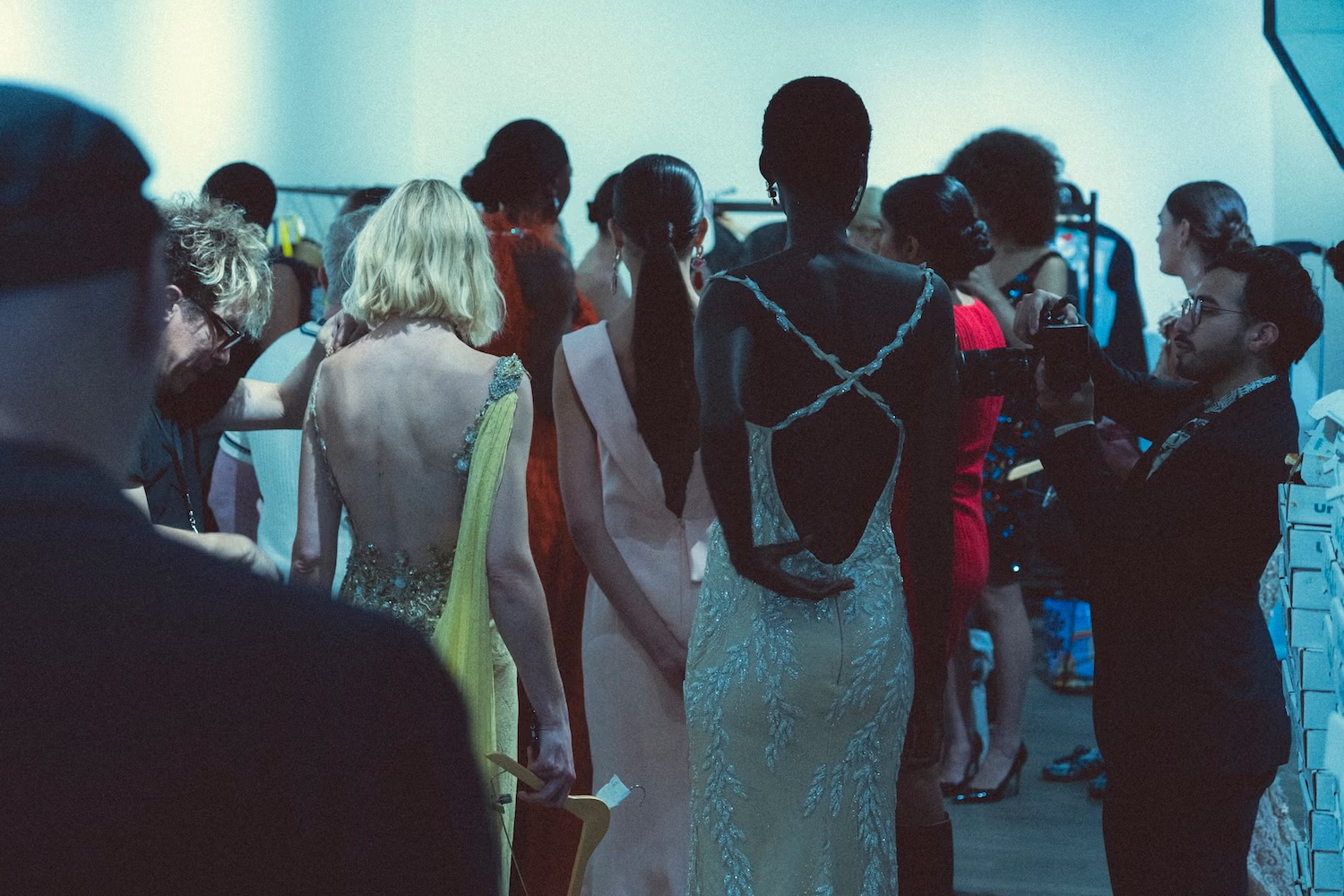 Foto: Jakub Gulyás
Vanderbilt & Seewald Global Studio’s first show in the heart of New York
tým VOGUE29. 9. 2026
Three distinct approaches to fashion came together at the iconic Vanderbilt Hall in the heart of Grand Central during New York Fashion Week. Vanderbilt & Seewald Global Studio, founded by Michaela Seewald and Consuelo Vanderbilt Costin, showcased designers Lorena Saravia and Dustin Glickman, alongside the Hayari Paris brand, founded by Nabil Hayari. Each of these three distinctive creators blends cultural heritage, contemporary design and craftsmanship with the ambition to transcend the boundaries of local fashion and enter the international scene.
Foto: Jakub Gulyás
Hayari Paris
While their aesthetic approaches differ, they are united by a respect for craftsmanship, a strong sense of cultural identity, and the belief that references from the past can be interpreted in a modern way and developed so they remain relevant in the future. Lorena Saravia, Dustin Glickman and Hayari Paris represent three different perspectives on what contemporary fashion can be. One brings Mexican tradition, the second Scandinavian minimalism and the third Parisian savoir-faire. It is precisely this diversity that became the central theme of the first Vanderbilt & Seewald Global Studio show.
The platform, founded by Michaela Seewald and Consuelo Vanderbilt Costin, creates a space where local creativity can meet a global audience and where talent is given the opportunity to transcend the boundaries of its origins without compromising the designer’s authenticity. The choice of Grand Central Terminal carried symbolic weight. A place that has connected people, cities and continents for generations became the backdrop for a meeting of different cultures and different visions of the future of fashion. True luxury is not merely a question of rare materials or flawless craftsmanship. It also lies in the story and in the ability to create something that outlives the moment of its creation. And it was in New York that all these values came together in one remarkable fashion show.
Lorena Saravia: Heritage as a Living Language
1 / 24
Lorena Saravia
For Mexican designer Lorena Saravia, tradition is not merely decorative – it is a fundamental part of her creative language. Her collections are built around leather, striking tailoring and raw textures. Precise lines and structured silhouettes meet fluid movement and details that pay homage to Mexican craftsmanship. The result is a wardrobe that feels contemporary, confident and naturally feminine. Saravia demonstrates that cultural heritage need not be confined to the past; through fashion, it can be given a new lease of life.
1 / 12
Lorena Saravia
Dustin Glickman: Between North and West
1 / 26
Dustin Glickman
In Dustin Glickman’s work, tension arises from the unexpected encounter between two worlds. Scandinavian restraint meets the distinctive aesthetics of the American West. Leather, denim, Western elements and signature silhouettes are stripped of nostalgia and brought into the present. Under his own brand, DSTN, Glickman works with materials much like a sculptor, allowing their natural character, structure and essence to shine through. The result is fashion that is raw, self-assured and, at the same time, remarkably clean. His collection is a reminder that inspiration need not be literal, provided its essence is captured.
1 / 9
Dustin Glickman
Hayari Paris: The Art of Couture
1 / 14
Hayari Paris
During the Hayari Paris fashion show, led by couturier Nabil Hayari, Grand Central was briefly transformed into a Parisian haute couture salon. His gowns are a celebration of patient, meticulous craftsmanship and extraordinary attention to detail. Corsets, voluminous silhouettes, lace, hand embroidery, crystals and flowers come together in dramatic compositions. The current ‘Floral Chic and Drama’ collection presented 28 looks, in which Hayari transformed flowers into structures and expressions of movement and emotion. A key element of the collection was the collaboration with American artist and photographer Karen Bystedt, whose iconic portraits of Andy Warhol featured on the models. This established a dialogue between pop art and haute couture. Fashion thus becomes a means of communication that conveys an image, a memory and a story. The body becomes the canvas and the tailoring its frame.
1 / 5
Hayari Paris
Vanderbilt & Seewald Global Studio aims to connect independent designers with business, capital, the media, technology and the people who can bring their work to the world. The platform does not seek to alter the designers’ individual styles – on the contrary, its aim is to understand the specific characteristics of each creator and help them develop these in the way that best suits their needs. “If you look at our first three designers, each one is completely different and each is at a completely different stage in their business. And that’s exactly what I enjoy about it. We don’t want to turn them into one big brand; we want to understand what makes each of them exceptional and provide them with what they need to take their careers to the next level,” explains Michaela Seewald. She adds that the long-term aim of Vanderbilt & Seewald Global Studio is certainly not to focus on quantity, but to offer realistic and effective support to genuine talent. “If, in five or ten years’ time, we look back and see that some of the brands we met at the start of their journey are now global companies, then we’ll know it worked.”
Vogue
Doporučuje
Móda
První přehlídka V&S Global Studio v srdci New Yorku
tým VOGUE29. 9. 2026
Celebrity
Co si oblékly hvězdy na MTV VMAs 2026? Podívejte se na ty nejlepší looky
Christian Allaire29. 9. 2026
Celebrity